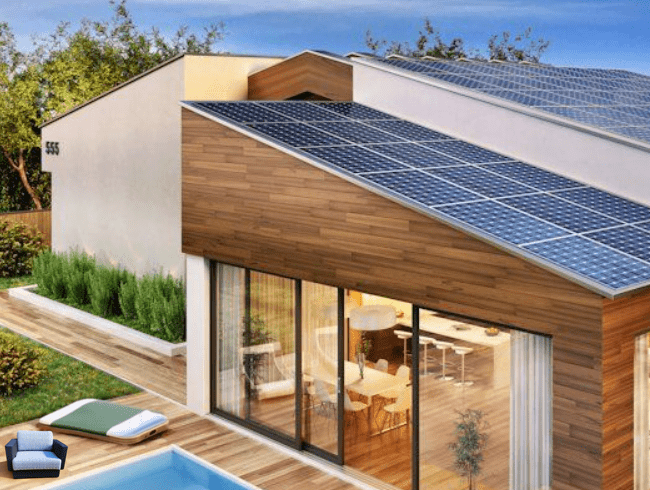
Rooftop solar systems for residential properties offer numerous benefits, including reduced electricity bills, energy independence, and environmental sustainability. These systems can be designed to meet the specific energy needs of households and can include options for net metering, which allows homeowners to sell excess electricity back to the grid.
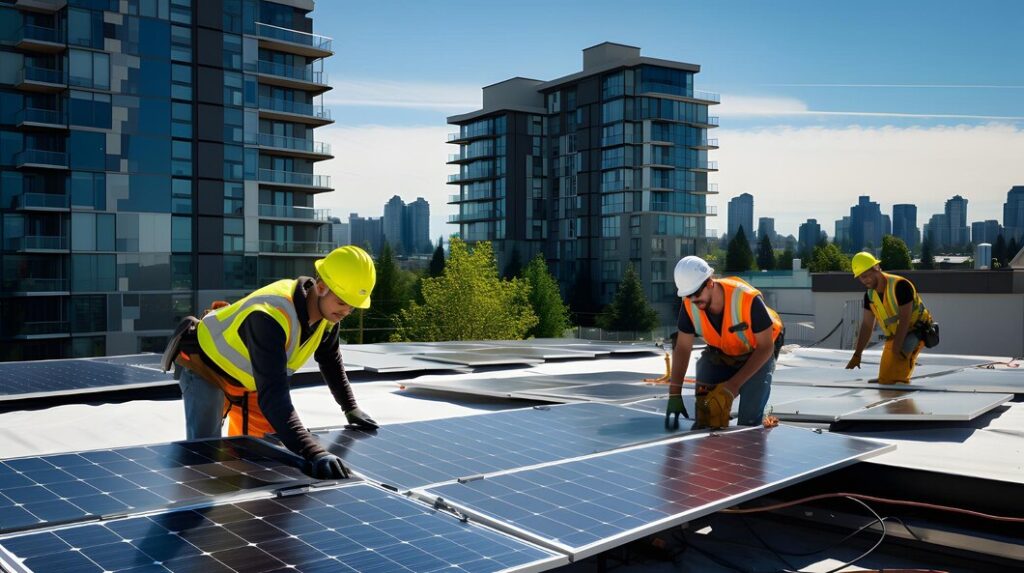
For commercial properties, rooftop solar installations can significantly lower operational costs by reducing electricity expenses. Businesses can also enhance their corporate social responsibility (CSR) profiles by adopting renewable energy solutions. Commercial solar systems are typically larger and may include energy storage solutions to ensure a steady power supply and further cost savings.
In the industrial sector, energy consumption is typically high, and so the potential savings from installing rooftop solar systems are substantial. Solar energy can be used to power manufacturing processes, reducing reliance on fossil fuels and cutting operational costs. Additionally, adopting solar energy can help industries meet regulatory requirements for renewable energy use and lower their carbon footprints.
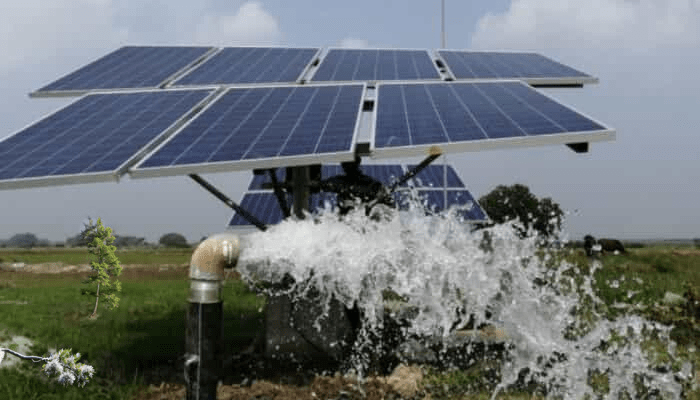
Agricultural applications of rooftop solar systems include powering irrigation pumps, greenhouse lighting, and other farm equipment. Solar energy can provide a reliable power source in remote areas where grid access may be limited. This not only helps in reducing energy costs but also ensures sustainable farming practices by minimizing the carbon footprint of agricultural operations